
Purpose-Built PLM for Food and Beverage Product Development
From first recipe draft to label approval, food and beverage companies need a system that keeps product development connected and on track. Aptean’s PLM software for food and beverage companies gives your R&D, regulatory and quality teams a single shared platform to develop products faster and bring them to market with confidence.
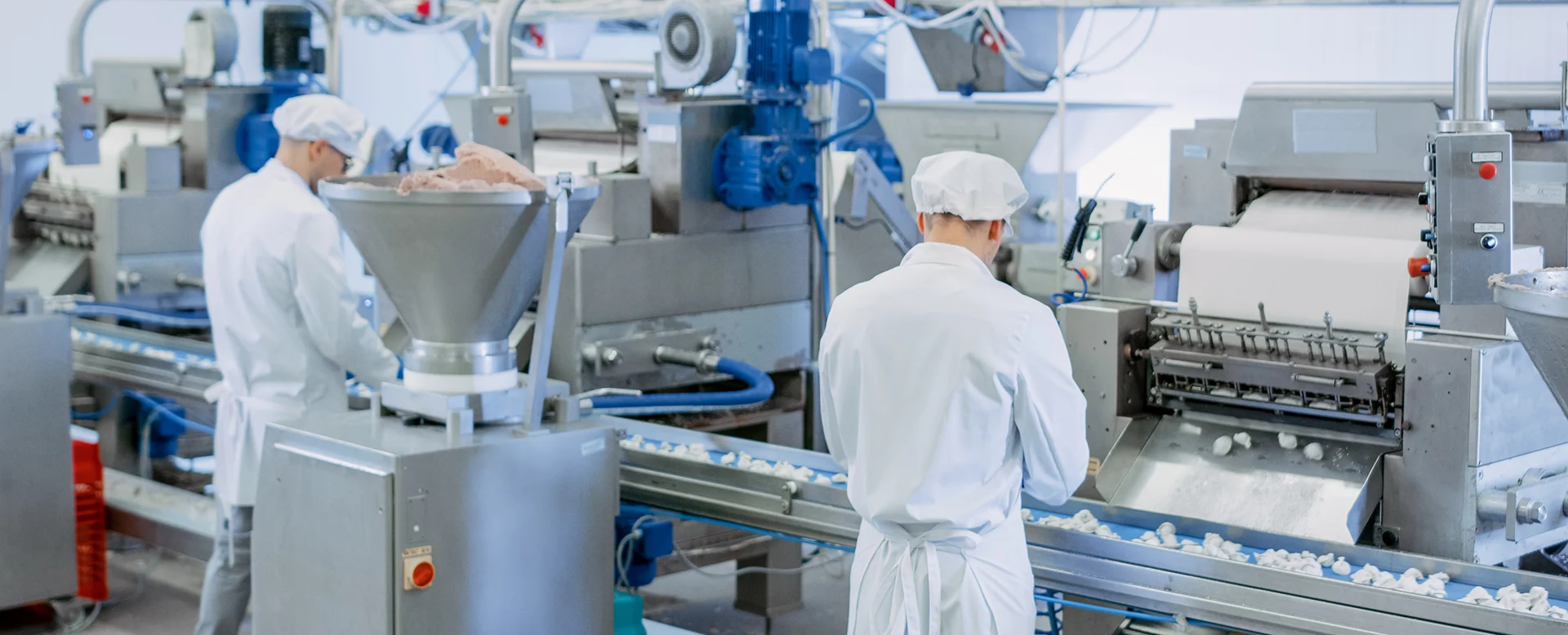
A Sneak Peek of Aptean PLM Lascom Edition
Explore the features of our product lifecycle management software for food and beverage in this free product tour. Take a look at our core modules, product development, recipe formulation and more.
Food and Beverage PLM: Developed for the Demands of Your Industry
Bringing new products to market efficiently while meeting regulatory requirements and maintaining specification accuracy requires more than basic software. Here's what an industry-specific PLM delivers and why Aptean is the right partner to provide it.
Specialised PLM for Food and Beverage Manufacturers
Too often, recipe development, regulatory review and packaging sign-off happen in sequence rather than in parallel. That slows down your product launches and can create version control problems along the way. Our food and beverage PLM is built to change that, giving every team involved in product development a shared foundation to work from simultaneously.

Monin Drives Global Product Development With Aptean PLM Software
Monin—a French flavouring brand distributing 150 products across 150 countries—needed a single platform to standardise product development processes and unify teams across five global facilities. With Aptean’s food and beverage PLM in place, the business has enhanced supplier collaboration, minimised errors in declarations and automated multilingual labelling in 28 languages.
As R&D Project Manager Anne put it, "With Aptean PLM, we’re able to make our data more reliable and we can work with traceable validation processes."
FAQs on PLM Software for Food and Beverage Businesses
From capabilities and integrations to how PLM fits with your existing technology, the answers below address the questions food and beverage businesses ask most when evaluating a dedicated PLM solution.
Our specialised PLM for food and beverage covers the full scope of product development in one system. Key capabilities include:
Recipe and formulation management with automatic calculation of nutrition values, ingredient costs and yield
Ingredient statement and nutrition facts panel generation across multiple regulatory zones and languages
Regulatory and claims screening to verify recipe compliance at the formulation stage
Specification and document management with full version control and change tracking across products, raw materials and packaging
Approval workflows that route specifications, reformulations and new product briefs through structured review cycles
Supplier portal for raw material sourcing and collaboration with trading partners
Project management tools to centralise tasks, timelines and assignments across your product development portfolio
All told, ours is a system where every step in getting a new product to market—from initial formulation through final approval—happens on one unified platform.
The most significant integration for most businesses is with food and beverage enterprise resource planning (ERP). Connecting PLM and ERP means product specifications, formulations and approved recipes flow directly into procurement and production without manual re-entry, closing the gap between development and manufacturing.
Beyond ERP, our PLM connects with enterprise asset management (EAM) solutions to support equipment and maintenance planning across your facilities, as well as transportation solutions to co-ordinate distribution.
Quite possibly. These two solutions serve different purposes—and for food and beverage businesses serious about product development, both are worth having.
Your ERP manages the operational side of the business: production, inventory, procurement and financials. Meanwhile, PLM manages development with tools to facilitate recipe formulation, specification management, regulatory compliance, labelling and approval workflows.
Without a dedicated PLM, development teams typically rely on spreadsheets, email chains and shared drives to manage these processes—which can result in version control risks, compliance gaps and slower time-to-market. But when PLM and ERP are connected, approved specifications flow directly into operations, bridging the gap between what gets developed and what gets made.
Expert Insights for Food and Beverage Organisations
The latest on product development and the technology that powers it, written for food and beverage professionals navigating these challenges every day.

How PLM Software Drives Innovation in the Food, Beverage, Cosmetics and Personal Care Industries
Want to bring your new products to market faster, at a lower cost and with higher return on investment? PLM software helps you do just that—find out how, now.

What Is PLM Software and How Does It Work?
PLM software helps manage the successful and timely completion of each of the product lifecycle steps—let’s take a look at what that means in practice.

Product Lifecycle Management Software: Tools for Every Professional on Your Team
From design teams to compliance experts, there are many departments involved in the NPD process and your PLM system should be built for all of them.
Learn what our PLM software for food and bevrage can do for your organisation