
Des logiciels enrichis par l'IA qui offrent des résultats prouvés
Vous êtes sous pression pour aller plus vite, fonctionner de manière plus efficace et prendre des décisions plus intelligentes. Aptean propose des logiciels spécifiques à votre secteur pour gérer votre entreprise – de l'ERP à la chaîne d'approvisionnement, en passant par la logistique et la gestion des actifs – conçus pour correspondre au fonctionnement réel de votre secteur d'activité.
Votre entreprise, connectée par l'IA
Votre entreprise, connectée par l'IA
Nos solutions sont réunies au sein d'une plateforme unique alimentée par l'IA – offrant à vos équipes des données partagées, une meilleure visibilité et une automatisation plus intelligente. Grâce aux outils d'IA intégrés, aux informations en temps réel et aux applications connectées, vous pouvez éliminer les silos, simplifier la prise de décision et tirer davantage de valeur de chaque partie de votre activité.
Conçu pour votre secteur
Conçu pour votre secteur
Votre entreprise n'est pas générique. Votre logiciel ne devrait pas l'être non plus. Vous avez besoin de solutions conçues pour votre façon de travailler – affinées à travers des milliers d'implémentations réussies – afin que vous puissiez évoluer avec confiance, sans complexité.









Pourquoi choisir Aptean ?
Qu'est-ce qui fait d'Aptean le bon choix en matière de logiciels d'entreprise augmentés par l'IA ? Les chiffres parlent d'eux-mêmes.
Taux de satisfaction client
Installation sur site, assistance illimitée 24/7 et conseils d'experts : vous pouvez compter sur nous comme un véritable partenaire à vos côtés.
Entreprises font confiance à Aptean
Partout dans le monde, nos clients choisissent Aptean pour une technologie spécialisée qui produit des résultats concrets et un retour sur investissement rapide.
Solutions spécialisées
Composez votre configuration logicielle idéale parmi notre large gamme de solutions, sur la plateforme AppCentral augmentée par l'IA.
Unifiez l'ensemble de vos opérations sur une plateforme augmentée par l'IA
Fini de jongler entre les outils. Fini les données cloisonnées. Fini les tâches manuelles répétitives. AppCentral réunit vos logiciels spécialisés par secteur et de puissantes capacités d'IA dans un espace de travail connecté : automatisations prêtes à l'emploi, espaces de travail personnalisés, analyses prédictives et bien plus encore.
Agents d'IA
Intelligence Prédictive
Espaces de travail personnalisés
Réponses Instantanées
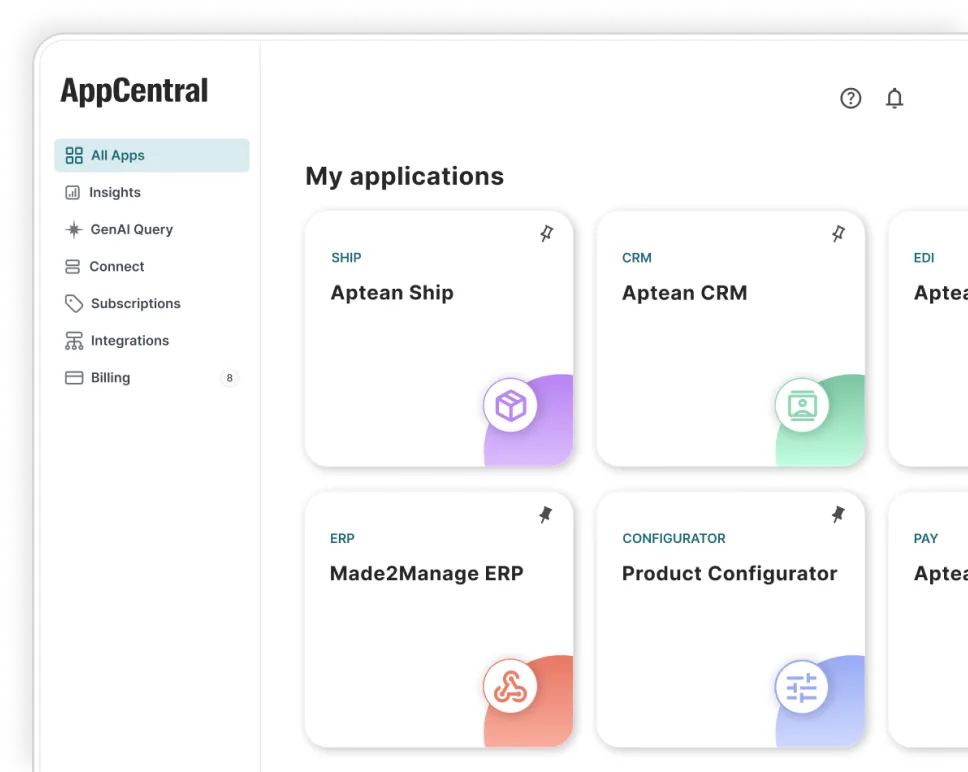
Des solutions sur mesure pour votre secteur
Fort de plusieurs décennies d'expérience concrète sur nos marchés cibles, nous concevons des logiciels qui résolvent de vrais problèmes opérationnels.




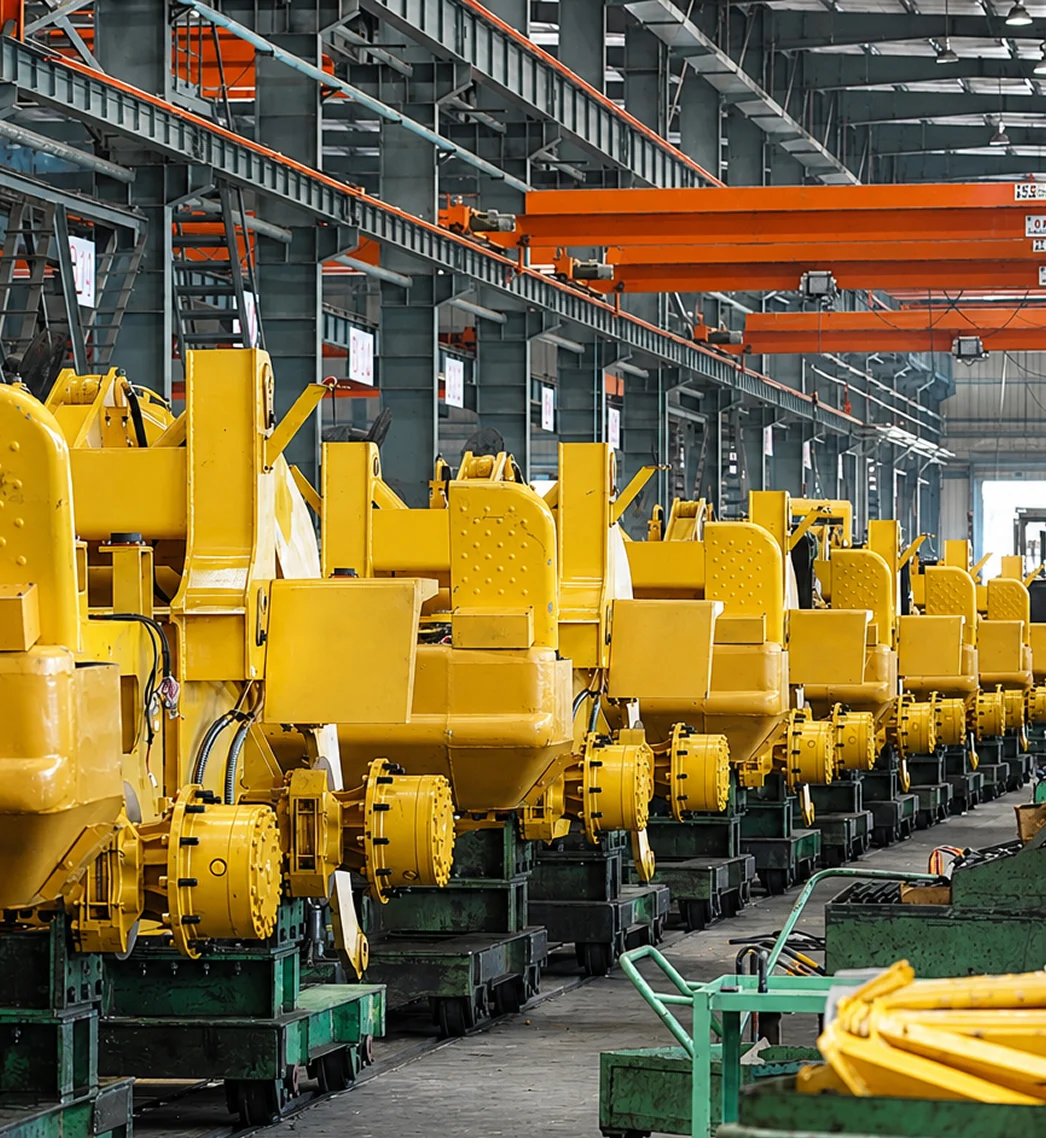
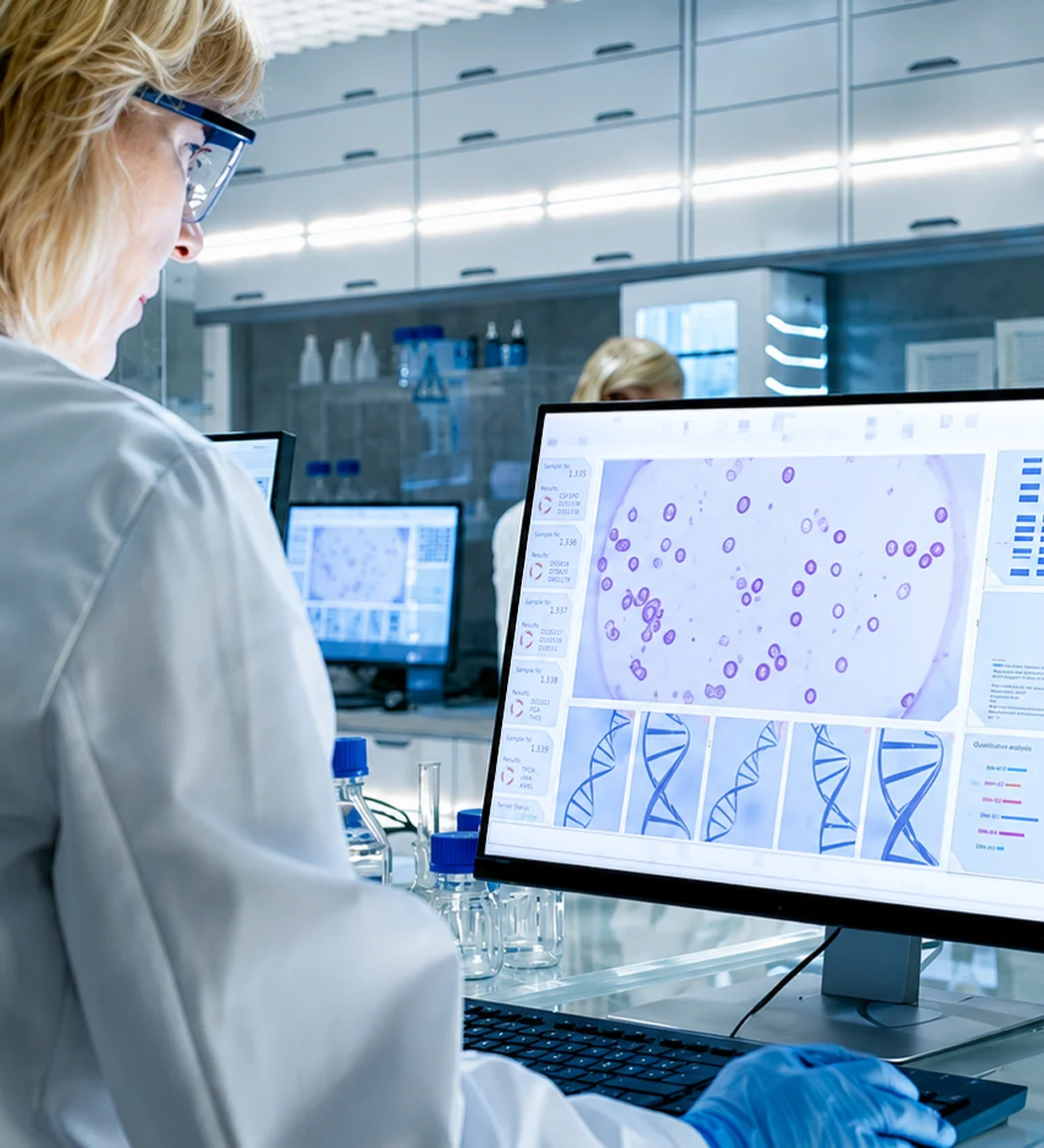
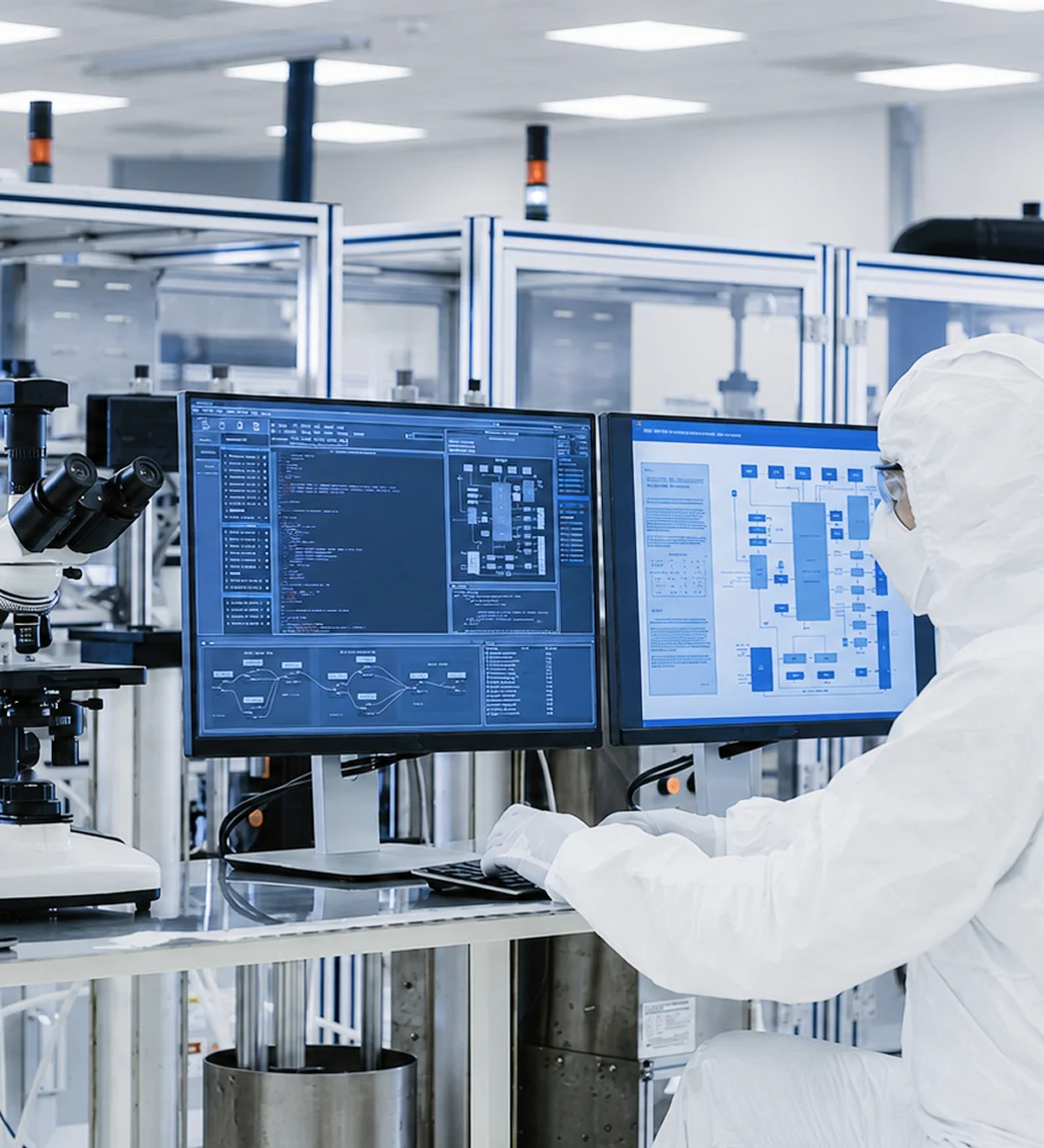
Des solutions éprouvées, conçues par des experts du secteur
Découvrez comment gagner en visibilité, en efficacité et en performance d'un bout à l'autre de vos opérations, grâce à des logiciels prêts pour l'ère de l'IA.

Pourquoi les leaders de leur secteur choisissent Aptean
Découvrez comment nos clients décrivent l'impact de leur passage à Aptean.
"Aptean s'intéresse à ce que nous faisons et veille à ce que son logiciel fasse ce que nous voulons qu'il fasse et ce dont nous avons besoin pour faire fonctionner notre entreprise. Je ne suis jamais laissé en suspens. J'ai toujours une ressource pour m'aider".
Tonya Butler, directrice informatique, Pipp Mobile Storage Solutions
Pourquoi Choisir Aptean ?
Sécurité de niveau entreprise
Votre organisation et vos clients sont protégés 24h/24 et 7j/7 grâce à des protocoles complets de sécurité des données, incluant la conformité SOC 2 Type II ainsi que des contrôles basés sur les cadres ISO 27001 et NIST 800.

Mise en place éprouvée et simplifiée
Les logiciels universels entraînent des déploiements complexes qui vous ralentissent. Notre processus éprouvé élimine ces contraintes, offrant une mise en œuvre plus rapide et un retour sur investissement (ROI) accéléré pour votre entreprise. Chaque étape est conçue pour minimiser les perturbations.

Un suivi dédié, à chaque étape
Nous vous accompagnons à chaque étape, de la mise en place sur site à une assistance illimitée 24h/24 et 7j/7, ainsi qu’à des consultations d’experts. C’est pourquoi nous affichons un taux de satisfaction de 97 % et plus de dix ans de résultats éprouvés.
Ce que nos clients accomplissent avec les logiciels Aptean
Découvrez ce que votre entreprise pourrait accomplir avec nos solutions — directement auprès de ceux qui les utilisent déjà.



Questions fréquentes sur Aptean
Vous souhaitez en savoir plus avant de franchir le pas ? Vous avez des questions, nous avons les réponses. Et si la vôtre ne figure pas ci-dessous, n'hésitez pas à nous contacter.
Nous accompagnons des organisations établies ou en forte croissance qui évoluent dans des environnements complexes, propres à leur secteur. Nos clients sont généralement des entreprises de taille moyenne à grande dans des domaines comme l'industrie manufacturière, l'agroalimentaire, la distribution, la mode et l'habillement, le commerce de détail, la logistique, le transport et les services financiers.
Si vos systèmes d'entrée de gamme, hérités ou cloisonnés ne suivent plus, notre logiciel est la solution idéale. Dès le premier jour, vous gagnez en contrôle, en conformité et en visibilité sur l'ensemble de vos opérations.
Nous adoptons une approche collaborative et concrète, en travaillant main dans la main avec votre équipe pour planifier chaque phase du projet. Dès le départ, nous cherchons à limiter les perturbations, à maintenir la dynamique et à vous faire gagner de la valeur plus vite — pas seulement à « allumer » le logiciel.
Avant le lancement, nous élaborons avec vous une feuille de route claire, alignée sur vos objectifs et vos réalités opérationnelles. Notre programme d'intégration comprend une formation structurée et des phases de test, pour que votre équipe maîtrise le système en toute confiance dès la mise en service.
L'une des grandes forces d'Aptean, c'est sa grande expérience de l'industrie. Nous travaillons depuis des décennies aux côtés des secteurs que nous servons, ce qui nous permet d'apporter des bonnes pratiques éprouvées à chaque déploiement. Cette connaissance du terrain nous aide à anticiper les difficultés, à fluidifier le processus et à assurer un démarrage en douceur, avec l'appui d'experts qui comprennent votre activité.
Nous investissons en continu dans la recherche et le développement, pour que nos produits intègrent les technologies les plus récentes et répondent aux besoins réels du secteur. Concrètement :
Engagement financier : nous soutenons l'innovation par des investissements importants, dont des acquisitions stratégiques, pour développer des solutions SaaS de nouvelle génération.
Innovation continue : ces trois dernières années, nous avons ajouté plus de 300 nouvelles fonctionnalités à nos produits, pour qu'ils restent pertinents face à l'évolution des enjeux du secteur.
Expertise sectorielle : nos équipes produits vivent au rythme des secteurs qu'elles servent. Leur connaissance du terrain guide le développement, pour des solutions adaptées aux flux de travail réels.
Intelligence artificielle : l'IA est désormais au cœur de tout ce que nous faisons chez Aptean : prévision de la demande plus fine, maintenance prédictive, gains d'efficacité et bien plus encore.
Conception centrée sur l'utilisateur : les retours clients orientent nos mises à jour et nos fonctionnalités. Nous écoutons, nous itérons et nous veillons à résoudre les vrais problèmes des utilisateurs.
Priorité au cloud : nos plateformes cloud évoluent sans effort et se mettent à jour automatiquement, pour que vos solutions grandissent avec votre entreprise et que vous disposiez toujours de la dernière version.
Présence mondiale, vision locale : présentes dans plus de 80 pays, nos équipes adaptent les solutions aux marchés locaux tout en respectant — voire dépassant — les normes internationales.
Pour nos clients, nous ne sommes pas un simple fournisseur : nous sommes votre partenaire technologique. Nos spécialistes accompagnent votre équipe tout au long du projet — conseils concrets, réponses à vos questions et optimisation de votre déploiement à chaque étape. Nos programmes de formation et d'assistance sont conçus pour aider vos collaborateurs à prendre en main leur nouvelle solution et à acquérir les compétences nécessaires pour en tirer pleinement parti.
Après la mise en service, toute votre organisation bénéficie d'une équipe d'assistance dédiée, de portails en libre-service, d'une documentation en ligne et de ressources de formation. Vous profitez aussi d'une assistance pilotée par l'IA, intégrée directement à l'expérience AppCentral, qui fait remonter les données, informations et conseils pertinents — pour que vos utilisateurs n'aient pas à être experts dès le premier jour. Une gestion efficace des dossiers garantit par ailleurs que le système fonctionne comme vous le souhaitez, et nos webinaires en direct vous aident à tirer encore plus de valeur de votre technologie.
Comment Aptean gère-t-il la sécurité et la conformité ? Nous savons que la sécurité est essentielle — pour la protection contre les risques, la stabilité opérationnelle, mais aussi pour votre tranquillité d'esprit. C'est pourquoi les solutions Aptean sont conformes aux normes du secteur, dont SOC 2 Type II et ISO 27001, et que nous appliquons des protocoles de sécurité rigoureux pour protéger vos données.
Des audits réguliers menés par des tiers garantissent que nos pratiques restent à jour et efficaces. Nos équipes d'assistance et de maintenance assurent une surveillance 24/7 ainsi que des tests d'intrusion permanents pour contrer les nouvelles menaces.
Nos solutions sont par ailleurs hébergées sur le cloud Microsoft Azure, reconnu pour sa sécurité et sa fiabilité, ce qui renforce la résilience de votre entreprise. Des sauvegardes continues et des serveurs redondants ajoutent une couche de protection supplémentaire, pour que vos systèmes et vos données restent toujours protégés.
Comment Aptean se compare-t-il à des concurrents comme NetSuite ? Aptean propose un large portefeuille de solutions, chacune dotée de fonctionnalités riches et spécialisées par secteur — à l'opposé d'un logiciel générique censé convenir à tout le monde. Nos équipes cumulent des décennies d'expérience concrète dans ces secteurs et appliquent des bonnes pratiques éprouvées pour concevoir et déployer des systèmes adaptés aux flux de travail et aux exigences réels.
Nous sommes également reconnus pour l'efficacité de nos déploiements et la continuité de notre accompagnement tout au long du parcours client. Et contrairement aux concurrents qui vendent des logiciels « sur étagère », nous ne livrons pas qu'un produit : nous bâtissons des partenariats durables. Notre objectif : la réussite mutuelle, un retour sur investissement complet et une valeur qui dure à mesure que votre entreprise se développe.
Aptean est régulièrement distingué par les analystes, les publications spécialisées et les communautés de clients pour l'impact de ses solutions dans les secteurs qu'il sert. Les exemples ci-dessous illustrent une sélection de distinctions récentes décernées par des organisations tierces reconnues.
Solutions Review a inclus Aptean dans sa liste de « 26 des meilleures sociétés de logiciels ERP pour 2026 » .
Logility, une société d'Aptean, a obtenu une note globale de 4,9/5 étoiles et une volonté de recommandation de 100% dans le rapport Voice of the Customer for Supply Chain Planning Solutions de Gartner pour 2025.
Aptean a été nommé « Major Player » dans les rapports IDC MarketScape 2025 pour les applications ERP opérationnelles et de fabrication dans le cloud.
Aptean Food & Beverage ERP a été distingué par Crozdesk en 2025 pour la satisfaction exceptionnelle de ses utilisateurs, remportant les badges Quality Choice, Trusted Vendor et Happiest Users.
Notre ERP pour l'agroalimentaire a également été lauréat du prix 2024 Top Software & Technology Solutions décerné par Food Logistics et Supply & Demand Chain Executive.
Aptean Routing & Scheduling Paragon Edition a été nommé leader du marché dans le rapport Spring 2025 FeaturedCustomers.
Aptean Discrete Manufacturing ERP Made2Manage Edition a remporté deux prix G2 en 2025: Leader et Installation la plus facile.
CIOReview a décerné à Aptean le certificat « AI-Enhanced Enterprise Software Solutions of the Year 2026 », en reconnaissance de notre « excellente réputation et de la confiance que nous inspirons à nos clients comme à nos pairs du secteur ».
Nos visites interactives gratuites des produits constituent un excellent point de départ. Conçues pour être rapides et faciles à explorer, elles vous donnent un véritable aperçu de l'expérience d'utilisation : l'interface, la navigation entre les fonctionnalités et ce que le logiciel peut concrètement apporter à votre entreprise.
Vous préférez un accompagnement en direct par nos experts ? Vous pouvez aussi planifier une démonstration personnalisée au moment qui vous convient. Nous adapterons l'échange aux réalités de votre entreprise, pour que vous voyiez comment Aptean s'intégrerait à votre quotidien.