
Exploring Direct-to-Consumer Models for Fresh Produce Businesses
Tuesday, March 23, 2021
4 min

By Jack Payne| Vice President, Product Management & Solutions Consulting
Share this report
Exploring Direct-to-Consumer Models for Fresh Produce Businesses

If your fresh produce business previously relied on orders from restaurants for revenue, your sales may be suffering. The issue first reared its head at the outset of the COVID-19 pandemic in early 2020, and now a year later, these concerns persist and bottom lines are still being impacted.
What are the growers and harvesters of the world to do facing these circumstances? Many have identified the potential of direct-to-consumer (DTC) sales in light of the shutdowns and flagging foodservice orders.
It may not be wholly new territory for all fresh produce companies—the model of community supported agriculture (CSA) has existed for a number of years, and businesses have experienced success selling smaller quantities of fruits and vegetables to individual households—but the loss of income due to decreased restaurant demand has made DTC an even more attractive sales method than ever before.
There are several factors to take into account before diving into this space, however. Let’s examine some of the additional considerations that make DTC a complicated and nuanced undertaking for businesses like yours.
The Challenges of Direct-to-Consumer Models in Fresh Produce
DTC sales are not new—ecommerce websites have been operating on this basis for two decades now—and thus the concerns that come with this approach are well-identified. It’s vital to understand them, though, and consider how they will affect your fresh produce business particularly.
The first major difference and complicating aspect of DTC when compared to traditional retail or restaurant sales is that the individual orders are much smaller, but also much more numerous. That makes picking, packaging and administration all the more complex, especially for companies just now starting to sell on this basis.
Orders are also far less regular in the DTC arena. Consumer households don’t function the way big-box stores and commercial eateries do, which means they won’t be placing their requests for products on a regular basis. They’ll only roll in as potential customers discover your offerings or run out of product in their home, so the onus is on you to create positive experiences and encourage repeat purchases.
Seasonality and weather will also affect orders to a fair extent. These variables were already critical in the fresh produce industry, but their impact will be even more pronounced when selling through DTC channels.
Modern technological solutions like enterprise resource planning (ERP) software equipped with a warehouse management system (WMS) can help alleviate these potential pain points by ensuring that pertinent information gets relayed to the relevant parties accurately and quickly. With the right system, your business will be far better equipped to harness the power of the following advantages of DTC sales.
The Benefits of Direct-to-Consumer Models in Fresh Produce
Once you feel confident that your fresh produce company can handle the challenges of DTC models, you’ll be able to realize some of the distinct benefits that come with these sales venues. Obviously, you’ll be able to reclaim some revenue that has been lost due to the downtick in restaurant demand, but these other potential gains are significant in their own right.
First, you’ll gain a greater understanding of your customers and their desires. Because there’s no longer a “middle man” between you and consumers, you’ll hear directly from them what they want, and this will open up a dialogue that will allow you to serve them better.
Also, while there will be some additional complexity to your warehouse procedures, DTC methods can actually serve to streamline your sales processes. Again, with no intermediary between your business and your purchasers, you have greater control over fulfillment and delivery, allowing you to make these steps as efficient as possible.
Consider too that selling directly to consumers will go a long way in generating brand loyalty and stewardship. They’ll be able to order just what they want and customize according to their preferences. And by consistently serving your customers with fresh produce that exceeds their expectations, you’ll gain new champions for your business.
Finally, DTC channels lend themselves to novel and dynamic marketing strategies that are synergistic with your efforts. Social media is a great place to launch your newest direct-to-consumer campaigns and generate positive word-of-mouth for your company.
Doing DTC the Right Way
Fresh produce businesses like yours are in a time of uncertainty, with many having to rethink their offerings, procedures and sales tactics. But making the jump to DTC models without proper preparation and the right system in place would be a hasty and potentially detrimental decision.
With an industry-specific ERP platform equipped with electronic data interchange (EDI), your company can seize the opportunities that direct-to-consumer models offer. You’ll want to make sure your bases are covered, and an intelligent system that guarantees order accuracy and transparency will be crucial.
Interested in hearing how our purpose-built solutions can help your fresh produce business master DTC? Reach out to us today.

With more than 30 years of food and beverage industry experience, Jack is a seasoned expert in helping manufacturers, processors and distributors solve complex operational challenges with technology—he even wrote the book on it. With deep expertise in enterprise resource planning (ERP), supply chain optimization and regulatory compliance, Jack is passionate about helping companies drive efficiency, traceability and growth through purpose-built software.
At Aptean, Jack collaborates closely with product, sales and customer teams to align technology innovation with real-world business needs—especially in highly regulated and fast-moving industries. A frequent speaker at industry events and contributor to trade publications, Jack is known for his clear-eyed insights, practical advice and deep understanding of what it takes to succeed in the food and beverage industry.
From family-owned bakeries to global beverage brands, Jack brings valuable perspective to businesses of all sizes and specialties. His insights draw from decades of hands-on experience across sectors like dairy, produce and packaged goods.
By Jack Payne| Vice President, Product Management & Solutions Consulting
Food Insights
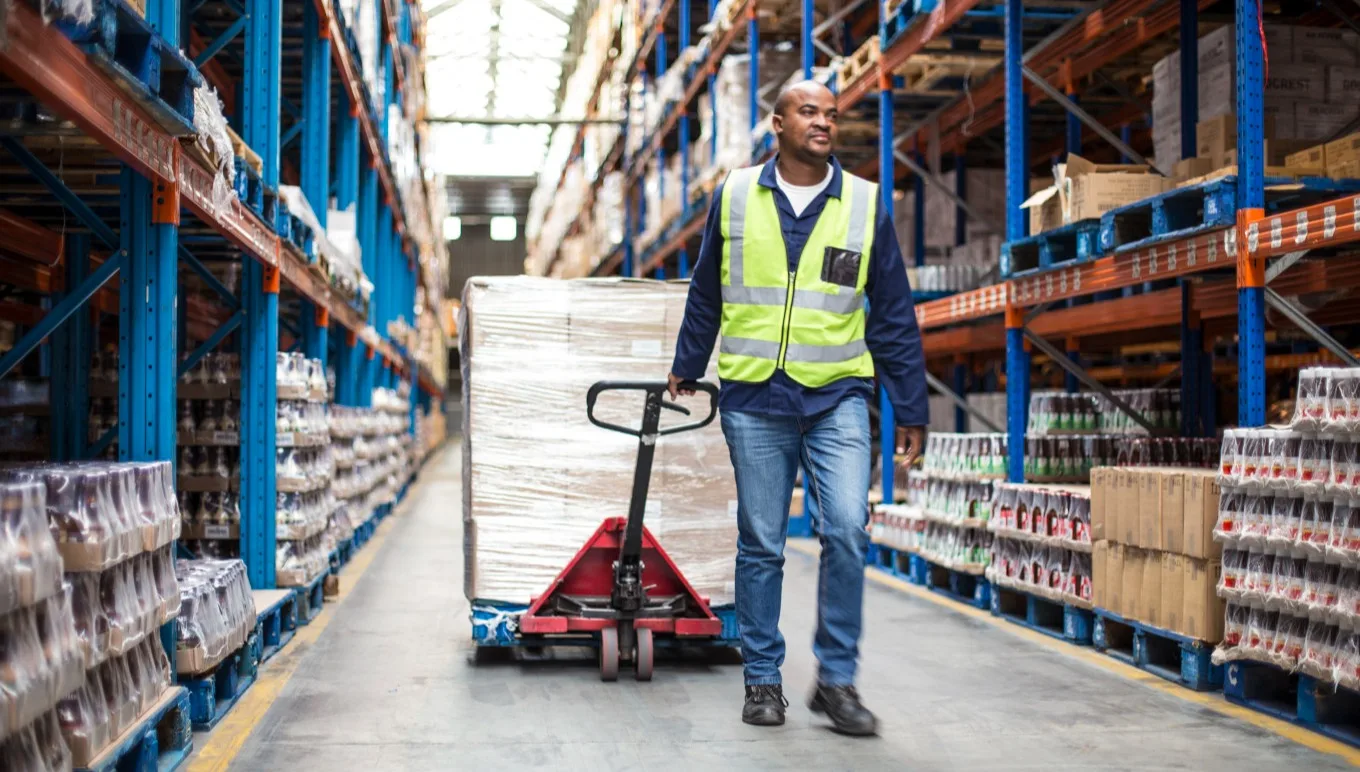
The Top 6 Challenges in Food Warehouse Management and How Purpose-Built Software Solves Them
Food warehouse management is a minefield of moving parts and tricky challenges which is why you need purpose-built software to smooth the process.

Food ERP System FAQs
We’ve gathered up the answers to all your frequently asked food ERP questions in one spot, with links to additional resources if you want to dig in further.

The Top 3 Areas of Focus for Increasing Profitability in the Food and Beverage Industry
With tight margins and rising costs, it’s never been more important to maximize profitability in your food manufacturing business. Here’s how to go about it.