
Snack Manufacturing and the Importance of Production Scheduling
Tuesday, October 20, 2020
3 min

By Sara Edwards| Content Writer
Share this report
Featured in this post
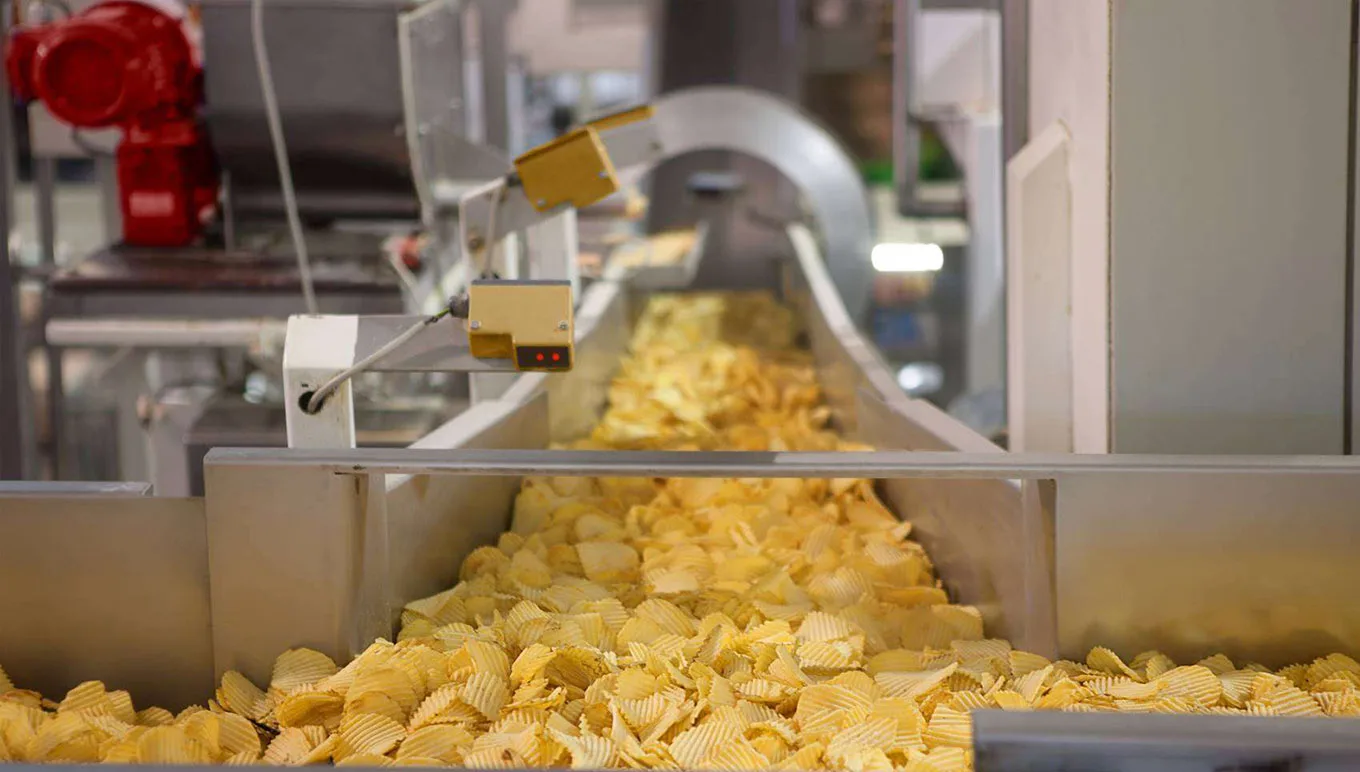
To say the snack industry is competitive is an understatement. To ensure success and growth, snack manufacturers need the ability to adapt to evolving and shifting trends in consumer behavior. Between the shift to healthier snack options, grab-and-go options, and ready to eat meals, how do companies keep up and meet the consumers’ demands?
Satisfying consumer demands sounds simple enough until you look into how many moving parts are involved in the process. Optimizing production scheduling around the allocation of your company’s manpower, machinery and materials to manufacture goods is a difficult process. Technology built for the food industry can help you successfully manage tight margins and short industry lead times with efficient production scheduling.
Below we outline the pillars of production scheduling your snack food company needs to implement to ensure success and how an enterprise resource planning system (ERP) can help maximize the efficiency of your snack operations.
1. Shelf Life
Customers don’t want to buy snacks that’ll expire before consumption. Manufacturers have to make sure their inventory will still be “good” by the time it gets to the customer. This process might seem simple in terms of “First Expired, First Out,” but when you add in the complexity of environments with schedule changes and keeping track of both intermediates and finished products, manufacturers need a snack industry specific solution that minimizes the guesswork and risk of tracking by hand or with Excel
2. Allergen Segregation
Compliance regarding food safety feels like alphabet soup: SQF, FSMA, GFSI, BRC, HACCP, etc. You want to be a brand that not only is compliant, but is also trusted by your customers to be safe regarding allergen management. The consequences of not properly managing allergens go beyond compliance issues – your company’s reputation is at stake. Utilizing an ERP that allows you to account for all raw materials and finished goods in real time, will allow you to better segregate and substitute allergens.
3. Equipment Maintenance
Performing preventative maintenance on your equipment reduces the risk of malfunctions and failures. As a plant manager, you want to select the optimal time to execute preventative maintenance based on usage and when it’s needed in the production schedule. Being able to have end-to-end visibility through an ERP also alerts you in real time of unplanned equipment breakdowns. Properly and effectively maintained equipment is important for any organization and is key to accurately track overall equipment effectiveness.
4. Manufacturing Efficiency
Real-time data helps you make informed business decisions. End-to-end visibility and control shows you where the inefficiencies are throughout your plant floor by tracking how much product is used, how much time employees spend or machinery is used for on production runs, and if changeover times are managed efficiently. This allows you to better identify issues and improve organizational workflows through overall visibility.
Food-specific enterprise resource planning software comes equipped with the functionality needed to schedule production based on shelf life, allergen segregation, equipment maintenance, and manufacturing time to maximize your machinery, manpower and materials. A system like Aptean Food & Beverage ERP has the production scheduling functionality that allows you the visibility and end-to-end control you need to manage the tight margins and short lead times the snack industry has.
For more information on how Aptean Food & Beverage ERP helps food manufacturers and distributors improve food safety, streamline operational efficiency and manage business growth, get in touch with our team of food and beverage industry experts today.

By Sara Edwards| Content Writer
Food Insights
The Top 6 Challenges in Food Warehouse Management and How Purpose-Built Software Solves Them
Food warehouse management is a minefield of moving parts and tricky challenges which is why you need purpose-built software to smooth the process.

Food ERP System FAQs
We’ve gathered up the answers to all your frequently asked food ERP questions in one spot, with links to additional resources if you want to dig in further.

The Top 3 Areas of Focus for Increasing Profitability in the Food and Beverage Industry
With tight margins and rising costs, it’s never been more important to maximize profitability in your food manufacturing business. Here’s how to go about it.