
5 Ways Product Lifecycle Management Helps You Meet Clean Label and Transparency Standards
Friday, October 24, 2025
4 min

By Aptean Staff Writer
Share This Blog
Featured in this post
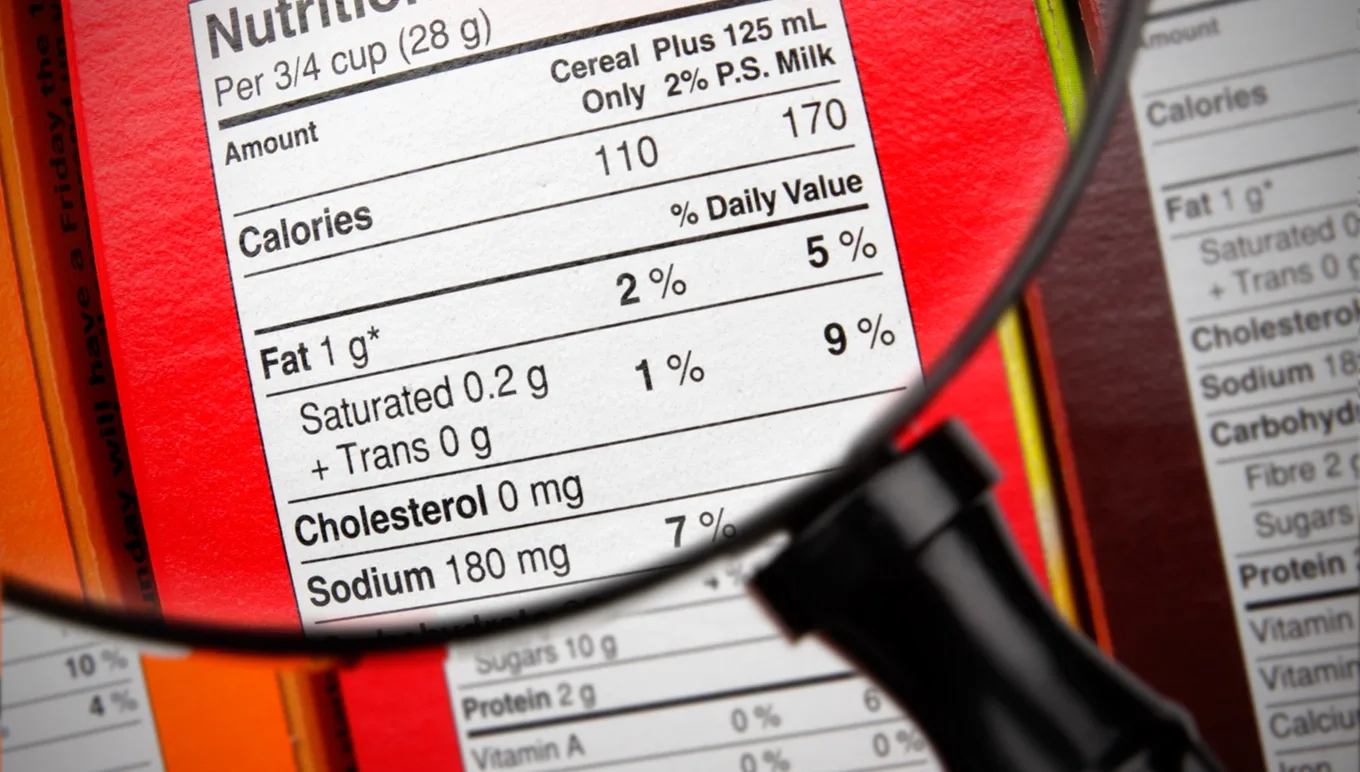
Clean label now extends to packaging, sourcing and transparency, as consumers push brands to prove their claims across the product lifecycle. You're balancing growing demands across labeling, documentation, regulatory compliance and stringent food safety regulations. The right technology can support all these areas.
Industry leaders implement product lifecycle management (PLM) software to efficiently manage product data, packaging specs and regulatory documentation in a single system. By replacing fragmented tools with a unified platform, PLM brings visibility and control to every stakeholder involved. It provides Research and Development (R&D), quality and regulatory and procurement teams with a shared source of truth that improves accuracy and collaboration. Read on and explore the ways PLM software can support your clean label and compliance efforts.
5 Ways PLM Supports the Next Generation of Clean Label Innovation
Clean labels still start with simple, wholesome ingredients, but they’re also expanding to include sourcing, packaging and environmental impact. PLM software gives you the structure and visibility to support these broader requirements across your product lifecycle.
1. Centralizing Clean Label Formulation Specifications
When your research and development team is juggling multiple stock keeping units (SKUs), regional label requirements and new clean label targets, managing recipes across spreadsheets and emails creates risk. One wrong version can trigger mislabeling, waste or recalls. You need a structured system that lets your teams access a single version of the truth—no manual merges, no version confusion.
With PLM software, you centralize ingredient and formulation data so R&D, regulatory and procurement work from the same specs. That single source of truth reduces mislabeling risk and preserves clean-label claims as products scale across SKUs and markets. When integrated with your enterprise resource planning (ERP) software, validated recipes and batch sheets flow directly to manufacturing, reducing handoffs and label-to-production mismatches.
2. Managing Allergen and Nutritional Data Accurately
One misstep with allergen data can put your brand and customers safety at serious risk. Whether you're reformulating to include pea protein or removing dairy from a legacy product, you're handling sensitive nutritional information that must meet specific rules in every region. Without a controlled system, your team risks noncompliance.
Allergen and nutrition data must be accurate from the start. PLM tracks thresholds across regions so your claims, panels and documentation stay aligned, whether you're launching a new SKU or updating an existing ingredients label. When reformulating for plant-based options or functional ingredients, you can validate values as you go without pausing your workflow.
3. Supporting Sustainability Through Ingredient Transparency
Your buyers expect to know ingredient origins, suppliers and compliance with clean label standards. PLM captures that information in one place, from sourcing certifications to country of origin, so you can pull up documentation when you need it.
Sustainability claims only stand when backed by data. Centralized PLM records let you support ethical sourcing, meet retailer mandates and validate non-GMO or organic claims. That visibility gives your teams control to respond quickly when customers or auditors ask hard questions.
4. Streamlining Packaging and Label Claims Management
Packaging and on-pack claims face the same scrutiny as ingredient lists. PLM software centralizes specs and proof to validate claims quickly and accurately. Centralizing specifications lets compliance teams act quickly on artwork or material changes and stay aligned with regulatory, retailer and marketing requirements.
PLM supports validation workflows, helping you verify claims like ‘natural,’ ‘eco-friendly’ or ‘compostable’ before they go to print. You can also connect those verified claims to SmartLabel and QR code systems, giving consumers digital access to supporting information without cluttering your physical packaging.
5. Accelerating Compliance With Evolving Standards
When labeling rules shift or a retailer updates its documentation demands, your team must move fast. PLM is your central system that helps you track those changes, whether it's regional sustainability certifications, global ingredient thresholds or retail-specific formatting.
Audit trails provide full visibility, simplifying verification and proving compliance during reviews. With PLM, your regulatory team stays ready—no guesswork, no duplication, just clarity.
Why Aptean PLM Is the Right Partner for Clean Label Innovation
You face increasing pressure to deliver cleaner, more transparent products without slowing down your process. That’s where Aptean PLM comes in. We built it for food and beverage businesses—specifically to manage formulation, labeling, packaging and compliance in one place.
You control the workflow. Aptean PLM centralizes specs, tracks sustainability data and integrates with ERP and supplier systems to align development with production. Your teams stay in sync, and your records stay audit-ready—even across regions and partners.
And customers see the difference every day. Monin, a well-known flavored syrups, liqueurs and fruit purees producer, shares a key benefit of Aptean PLM:
“Searching for information is much faster in Aptean PLM, boosting our productivity.”—Aurélie, R&D Project Manager, Monin
Explore how our solutions can help you manage formulations, labeling and compliance in one system. Visit our Aptean PLM product page to learn more, or chat with one of our experts today.

By Aptean Staff Writer
Related Content

A Complete Guide to Compliance in the Food Industry
Demystify food industry compliance management with this guide to regulations and best practices—from safety and traceability to tariffs and transportation.

5 Signs You Need to Ditch Spreadsheets and Move to a PLM Solution
If you see any of these warning signs in your business, it’s time to ditch time-consuming, manual processes in favor of a product lifecycle management solution.

6 Key Reasons Your Consumer Packaged Goods Business Needs a PLM System
With a range of benefits to offer, PLM software is the key to unlocking competitive advantage in the dynamic consumer packaged goods industry. Discover how, now.