
How to Keep Product Safety Resolutions in 2018
Tuesday, February 13, 2018
2 min

By Jack Payne| Vice President, Product Management & Solutions Consulting
Share this report
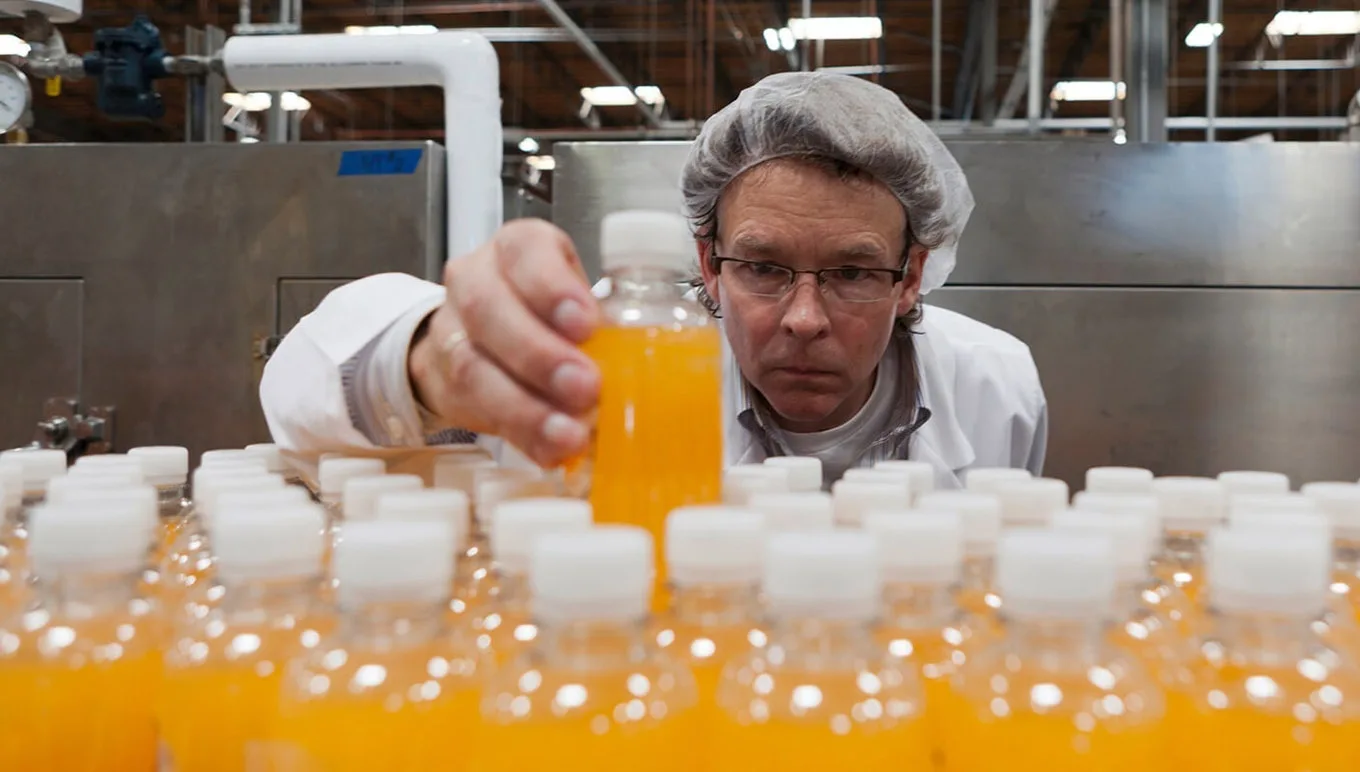
Widespread distrust has increased the need for food and drink manufacturers to be more forthcoming about their ingredients, production processes, and supply chains, according Mintel’s 2018 Global Food & Drink Trends report. A growing consumer demand for improved traceability and transparency will undoubtedly influence positive and immediate changes. With that in mind, food and beverage manufacturers should take stock of opportunities and challenges facing their organizations and the industry this year.
Advancements in track and trace technology, paired with greater access to food quality data, leaves manufacturers with little room for excuses. Here are a few ways food and beverage manufacturers can keep their resolutions to improve product safety practices and maintain consumer trust.
Create a culture where quality and safety are top of mind. Use your Enterprise Resource Planning (ERP) solution to audit your processing and packaging methods to ensure that your team and your suppliers are handling food and beverage products with care and complying with regulatory mandates. Meet with your team to review your audit findings and discuss any necessary changes. More importantly, detail why changes are needed and help your team understand the importance of their role in delivering high-quality products and keeping consumers safe.
Avoid costly recalls with proper track and trace resources. While the number of FDA food recalls declined 11 percent in Q3 2017, the number of recalled food units increased 19 percent. Undeclared allergens were the leading cause of recalls. An ERP engineered for food and beverage manufacturers can reduce and eliminate such errors by preventing creation of recipes with undeclared allergens as well as preventing operational substitutions with undeclared allergens.
Use analytics to build a better, smarter supply chain. The ability to turn data into actionable insight is a key differentiator between industry leaders and all others. Applying business intelligence from actionable data can lead to continuous improvement. Better usage of data for decision-making allows leaders in the food and beverage industry to outperform corporate expectations by as much as 15 percent, as well as lowering costs and improving productivity.

With more than 30 years of food and beverage industry experience, Jack is a seasoned expert in helping manufacturers, processors and distributors solve complex operational challenges with technology—he even wrote the book on it. With deep expertise in enterprise resource planning (ERP), supply chain optimization and regulatory compliance, Jack is passionate about helping companies drive efficiency, traceability and growth through purpose-built software.
At Aptean, Jack collaborates closely with product, sales and customer teams to align technology innovation with real-world business needs—especially in highly regulated and fast-moving industries. A frequent speaker at industry events and contributor to trade publications, Jack is known for his clear-eyed insights, practical advice and deep understanding of what it takes to succeed in the food and beverage industry.
From family-owned bakeries to global beverage brands, Jack brings valuable perspective to businesses of all sizes and specialties. His insights draw from decades of hands-on experience across sectors like dairy, produce and packaged goods.
By Jack Payne| Vice President, Product Management & Solutions Consulting
Food Insights
The Top 6 Challenges in Food Warehouse Management and How Purpose-Built Software Solves Them
Food warehouse management is a minefield of moving parts and tricky challenges which is why you need purpose-built software to smooth the process.

Food ERP System FAQs
We’ve gathered up the answers to all your frequently asked food ERP questions in one spot, with links to additional resources if you want to dig in further.

The Top 3 Areas of Focus for Increasing Profitability in the Food and Beverage Industry
With tight margins and rising costs, it’s never been more important to maximize profitability in your food manufacturing business. Here’s how to go about it.