
5 Essential Steps to Modernize Your Food and Beverage Operations
Tuesday, November 25, 2025
6 min

By Aptean Staff Writer
Share This Blog
5 Essential Steps to Modernize Your Food and Beverage Operations
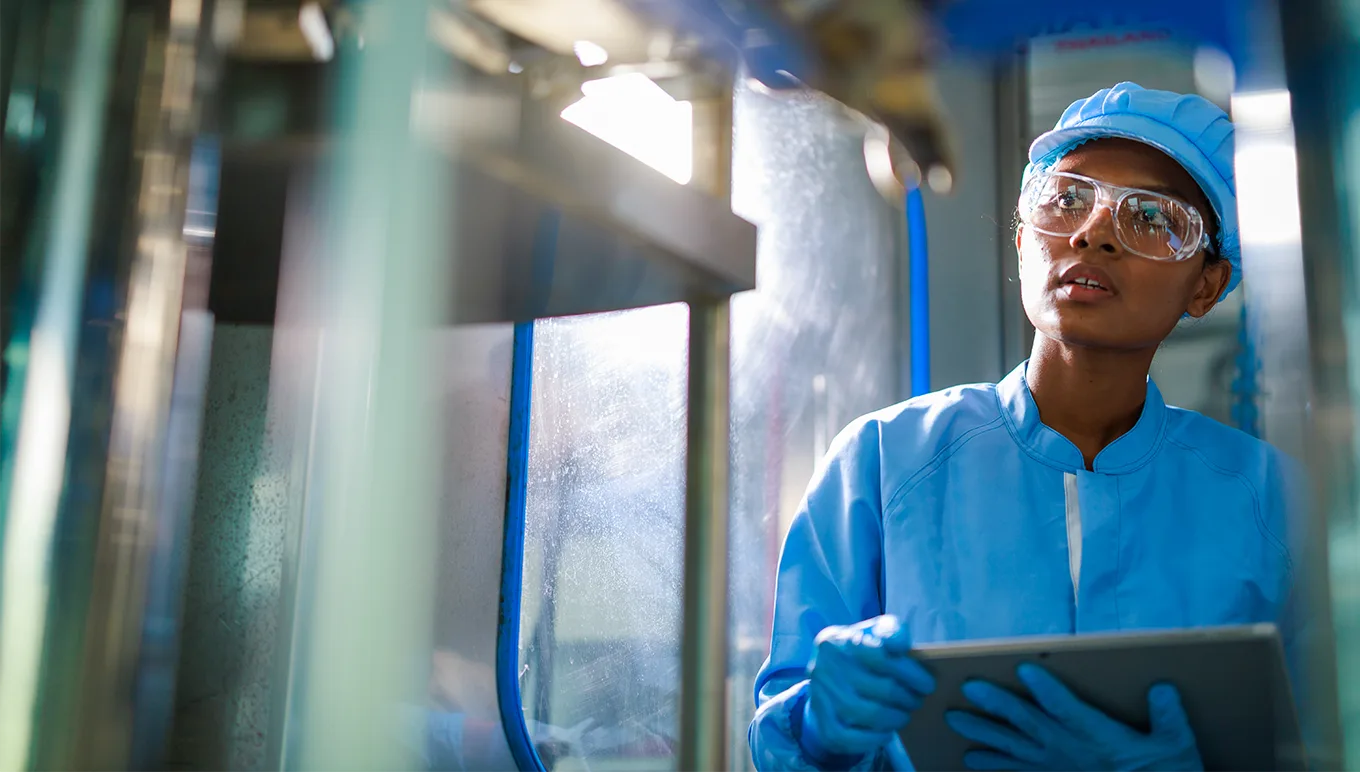
Tighter margins, growing demand for private label manufacturing and shifting customer expectations are redefining how food and beverage companies operate. These pressures are forcing businesses to rethink strategies, reassess where to invest and find new ways to stay competitive.
Industry 5.0 shifts are set to modernize the food and beverage industry. This means moving from fragmented technology systems to a single integrated, intelligent platform that gives you clearer visibility and tighter control. Centralized data and automated workflows turn information into actionable insight, so you can cut waste, ensure compliance and adapt production to changing demand. With that foundation, you’ll spend less time reacting to problems and more time growing the business.
This blog walks you through five practical steps to modernize your food and beverage operations. You’ll learn what pressures are driving the need for change, which areas to prioritize and how to take action in a way that delivers measurable results.
How to Approach Modernization in 5 Clear Steps
Modernization requires a clear plan built on understanding your pressures, setting priorities and taking practical steps. The five steps below outline how you can create a modern foundation, future-proof your processes and guide your business toward measurable results.
Step 1: Understand the Pressures Driving Modernization
A strong modernization plan starts with recognizing the forces shaping your operations. Compliance standards such as the Food Safety Modernization Act (FSMA 204) and global food safety frameworks are setting clear expectations for traceability and reporting. Efficiency goals like reducing waste, improving scheduling and raising overall equipment effectiveness create opportunities to strengthen performance across the plant.
You also have a chance to build greater supply chain resilience and meet growing demand for traceability, speed and quality. By viewing these pressures as drivers of progress, you can set clear priorities and position your business to adapt with confidence. Assess which processes—such as scheduling, inventory control or compliance reporting—are most vulnerable to delays or inefficiencies. These areas often benefit most from digital tools and automated processes that enhance agility and responsiveness.
Step 2: Adopt the Right Technologies to Enable Change
Once you understand the drivers, the next step is equipping your business with tools that make change possible. The right mix of technology gives you greater efficiency, cost savings and compliance while creating a single view of your operations.
Gain visibility and control by moving to a centralized, intelligent solution that connects data and processes in one place. A cloud-based enterprise resource planning (ERP) system provides scalability and real-time access so you can respond faster to shifts in demand.
Strengthen efficiency and forecasting with tools powered by artificial intelligence (AI) that automate routine tasks and use predictive analytics. These solutions support better planning, inventory optimization and maintenance schedules.
Manage products with confidence through product lifecycle management (PLM) software designed to handle recipes, packaging details and compliance requirements. This helps reduce errors and keep product development on track.
Improve equipment performance and quality with overall equipment effectiveness (OEE) and enterprise asset management (EAM) solutions. These tools help you track production efficiency in real time, schedule preventive maintenance and reduce unplanned downtime.
Improve supply chain collaboration with digital platforms that connect vendors, carriers and distribution partners. Electronic data interchange (EDI) enhances accuracy and speed in order processing and documentation, while a transportation management system (TMS) improves route planning, shipment visibility and freight efficiency so you can deliver orders reliably and control logistics costs.
By aligning these solutions with your priorities, you create the foundation to modernize at your own pace and focus on results that matter most to your business. A connected platform ensures these tools work together, creating a unified ecosystem that eliminates silos and delivers real-time visibility across operations. This interoperability is the foundation of Industry 5.0, enabling smarter automation, predictive insights and seamless human-centric collaboration across every function.
Step 3: Measure the Real-World Impact of Modernization
Modernization delivers its strongest value when you can see measurable improvements in performance. Once your systems are connected, data becomes the proof point that justifies each decision. You can track how downtime decreases, how products move through development faster and how traceability strengthens across the supply chain. These insights give you confidence that your investments are producing real results and help you identify the next opportunities for improvement. For example, by tracking overall equipment effectiveness (OEE), you can pinpoint bottlenecks and quickly reduce production downtime.
In many cases, food and beverage companies have achieved meaningful growth by standardizing processes and improving visibility across departments. When teams share a single source of truth, they launch products faster, cut manual work and improve reporting accuracy. Explore how one producer achieved growth and continuous improvement to see what’s possible for your own operation.
Step 4: Plan Ahead for Common Modernization Challenges
Every modernization journey comes with hurdles, but careful planning helps you stay on track. You can prevent costly delays by preparing your team for change early and setting clear expectations. Training programs that explain the “why” behind new systems build confidence and reduce resistance. When everyone understands the value of modernization, adoption becomes smoother and progress steadier.
To support your modernization efforts, it’s important to include a formal change management strategy and risk mitigation plan to minimize operational disruptions. This may involve phased rollouts, contingency planning and stakeholder engagement to ensure smooth adoption.
Strong planning also means giving equal attention to data migration, system integration and budgeting. Mapping how information moves between platforms avoids disruptions once systems go live, while upfront cost analysis helps you track return on investment (ROI) from the start. By anticipating these challenges, you position your business to manage change effectively and sustain long-term results.
Step 5: Put Your Modernization Plan into Action
Modernization gains momentum when you start with focused, achievable projects. Begin by auditing your current systems to understand where delays, manual work or data gaps occur. Prioritize the processes that directly affect production speed, quality or compliance—areas where even small changes can drive visible results.
Early wins, such as automating a reporting task or improving scheduling accuracy, help your team see progress and stay committed to the broader plan. Leverage industry best practices such as lean manufacturing principles and standardized workflows to maximize efficiency and reduce waste during modernization.
Once you establish these early gains, define measurable goals for cost savings, efficiency and data accuracy. Partner with technology providers who understand food and beverage operations to guide integration and training without disrupting production. With each phase, you’ll replace isolated fixes with lasting improvements and build a stronger foundation for continued modernization.
Why Aptean Is the Ideal Partner to Lead Your Modernization Efforts
At Aptean, you have a dedicated modernization partner with deep food and beverage industry expertise. Our solutions are purpose-built for your unique operations, incorporating decades of sector-specific knowledge into every feature. From regulatory compliance to recipe management and supply chain optimization, Aptean delivers tools that reflect the realities of your business. This specialization means faster implementation, smoother adoption and measurable results tailored to your unique challenges.
Aptean supports your efforts with purpose-built software within AppCentral, a centralized, industry-focused platform that gives you access to the applications you need. You gain visibility across departments, reduce manual work and improve reporting accuracy. AppCentral helps you manage solutions from a single interface, keeping your team focused on production, productivity and compliance. Aptean’s deployment frameworks guide each phase, and our team stays with you to ensure measurable results aligned with your goals.
See what technology modernization looks like in action. Start your self-led food ERP tour or schedule your personalized demo with our team of experts today.

By Aptean Staff Writer
Related Content
The Food Industry Trends To Watch In 2026
What food and beverage trends will matter most in 2026? See how consumer demand, AI and operational shifts are changing what it takes to compete.

The Business Benefits of Discrete Manufacturing ERP: Real Results from Aptean Customers
Discover real-world discrete manufacturing ERP case studies showing higher output, faster growth and better visibility with Aptean.
Quick Tour or Custom Demo? How To Evaluate Food and Beverage Software the Right Way
Not all food software demos are equal. See how to use self-led tours and expert-led demos to choose the right system with confidence.