
Strengthening Food and Beverage Traceability With Integrated EAM and ERP Systems
Friday, May 23, 2025
7 min

By Aptean Staff Writer
Share This Blog
Strengthening Food and Beverage Traceability With Integrated EAM and ERP Systems
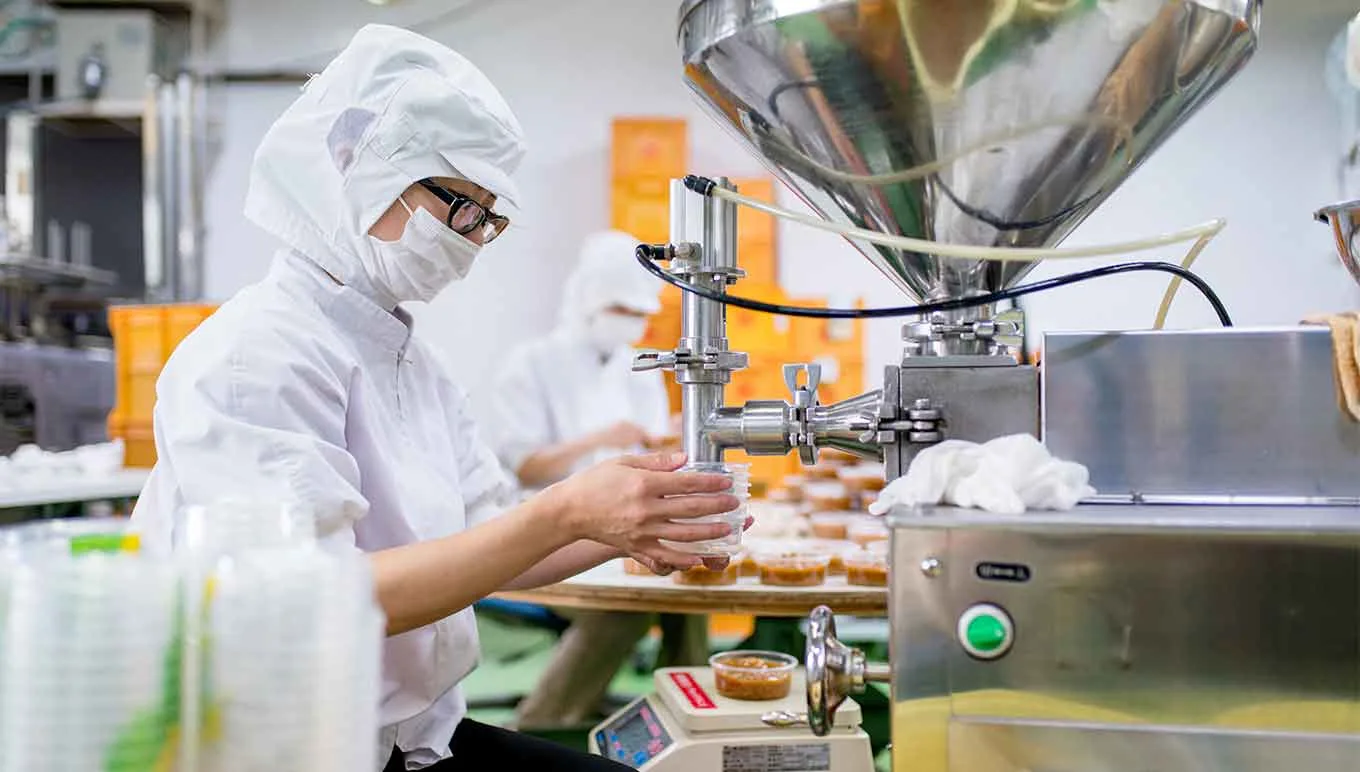
Traceability is vital in food production—ensuring food safety, quality and authenticity at every stage. For food and beverage businesses, achieving comprehensive traceability starts with a strong technology foundation: enterprise resource planning (ERP) software. ERP systems provide a single source of truth —establishing the backbone of traceability.
But ERP alone isn’t enough. Maintaining traceability also depends on the equipment used to process, package and store those products. This is where enterprise asset management (EAM) software plays a crucial role. By tracking equipment maintenance, calibration and performance, EAM helps ensure your production processes remain consistent, compliant and efficient.
Together, ERP and EAM create a comprehensive traceability framework, one that not only tracks materials but also safeguards the operational health of the equipment that handles them. This dual-layered approach minimizes contamination risks and strengthens your ability to meet regulatory standards.
In this blog, we'll explore the critical role of integrating EAM to enhance traceability for food and beverage organizations. But first, let's take a moment to explain why adopting an industry-specific ERP system is essential for traceability success.
ERP: The Cornerstone of Food and Beverage Traceability
Ensuring compliance with regulatory safety standards is a must for food and beverage manufacturers. That’s why ERP systems are indispensable. A robust solution manages core processes—inventory control, production planning and supply chain logistics—while ensuring traceability across every step. With ERP software, you can capture essential data such as batch numbers, ingredient origins and supplier certifications helping you meet compliance standards and enabling swift responses to recalls. For quality assurance, it manages and records quality checks at every stage of the supply chain and ensures compliance with food safety standards such as the Hazard Analysis Critical Control Point (HACCP), ISO 22000 or Food Safety Modernization Act (FSMA).
While ERP systems primarily focus on the flow of materials and processes, they don’t always account for the operational health of the equipment driving production, a critical factor in maintaining consistent traceability.
Bridging the Traceability Gap With EAM
EAM extends the traceability framework by ensuring assets such as mixers, packaging lines and storage units, operate reliably. This tracks maintenance schedules, repair histories and performance metrics, directly tying equipment reliability to product quality and safety.
Imagine a filling machine in a beverage plant. The ERP system records the product’s production batch and expiration date, but if that machine hasn’t been calibrated according to the necessary specifications, there’s a risk of inconsistent fill levels or contamination. EAM ensures the machine’s calibration is up to date, linking this compliance detail back to the ERP for comprehensive traceability.
When integrated, ERP and EAM work together to create a powerful traceability ecosystem. ERP tracks what happens to the product throughout production while EAM focuses on how it’s made, ensuring equipment uptime, accurate calibration and proper maintenance to keep operations running smoothly.
This dual layer of traceability allows manufacturers to isolate issues more precisely, minimizing waste, avoiding widespread recalls and maintaining customer trust.
How EAM Supports Enhanced Traceability
EAM strengthens traceability by tying equipment performance directly to compliance and quality outcomes—monitoring asset lifecycles and usage to ensure every process meets regulatory and operational standards.
Below are seven ways EAM contributes to enhanced traceability in food and beverage manufacturing:
1. Asset Management for Compliance and Monitoring
EAM plays a central role in food traceability by ensuring that all equipment used in production is well-maintained and meets the required safety and quality standards. By linking equipment maintenance to ERP systems, you can verify each piece of equipment is functioning properly, correctly identified and documented when it processes or handles food ingredients. EAM also tracks critical control points like temperature, humidity and sanitation levels ensuring equipment consistently meets food safety requirements throughout the production process.
2. Tracking Ingredient Origin and Production Dates
While ERP systems are responsible for logging supplier details, batch numbers and sourcing certifications, EAM supports traceability by linking those product records to the equipment used during processing. For perishable goods, this connection is vital. EAM helps ensure that each batch is handled under the right conditions by calibrated and well-maintained equipment, reducing the risk of spoilage or contamination.
3. Accurate Data for Decision Making
Tracking asset performance and usage provides you with access to accurate data that links the state of production equipment with the status of food safety and traceability. For example, sensors and monitoring systems can detect temperature fluctuations or machinery malfunctions that might compromise food safety, triggering automatic alerts and actions.
4. Data Capture and Integration
Modern EAM solutions seamlessly integrate with ERP and other systems to capture critical data about asset performance and maintenance, tracing back the conditions under which specific products were manufactured. For example, if there is a piece of equipment that caused a production quality problem, EAM can conduct a root cause analysis.
5. Regulatory Compliance
In food and beverage manufacturing, staying compliant is very important. EAM maintains detailed records required for audits and certifications, such as cleaning and sanitation schedules, equipment inspection logs and preventive maintenance documentation.
6. Process Consistency for Traceable Production
EAM supports process improvement by enforcing equipment standards—ensuring the same product is made under the same conditions, every time. This repeatability is key to traceability. When assets are maintained and calibrated properly, your production stays within known parameters, making it easier to identify when, where and how a product was made if issues arise.
7. Preventive Maintenance
EAM helps prevent issues that could compromise traceability. When unplanned downtime or machine malfunctions occur, the risk of incomplete or inaccurate production records increases—making it harder to track product movement or isolate problems. A preventive maintenance strategy keeps equipment running reliably and reduces disruptions, which helps maintain traceable, consistent production. EAM supports this by providing automated maintenance alerts, scheduling tools and documentation logs—ensuring traceability data remains intact and audit-ready.
Connecting Traceability Across the Supply Chain With EAM and ERP
Traceability across the food chain demands enhanced visibility requiring seamlessly integrated systems and disciplined processes. With ERP and EAM working together, food and beverage manufacturers can trace products through every stage of the supply chain. Here's how it works:
Step 1: Record source details ERP captures origin data—farm location, harvest date and handling conditions, establishing a verified digital record at the point of entry.
Step 2: Confirm equipment readiness EAM ensures production assets are clean, calibrated and functioning to specification before use, this reduces contamination risk and protects traceability.
Step 3: Monitor processing conditions EAM logs asset performance and environmental metrics like temperature and humidity in real-time. This supports compliance and improves trace accuracy for perishable goods.
Step 4: Document production activity ERP links ingredient batches to production events—lot numbers, timestamps, operator IDs. EAM adds context by identifying the specific equipment used and its status during processing.
Step 5: Verify storage and logistics EAM maintains storage asset reliability. ERP, along with integrated electronic data interchange and transportation management systems, tracks outbound shipments, delivery confirmations and chain-of-custody milestones—ensuring product traceability extends through warehousing, transit and customer delivery.
Step 6: Maintain traceable records With both systems, you get a complete digital audit trail—covering sourcing, production and distribution. This simplifies recalls, satisfies regulators and strengthens buyer confidence.
Strengthen Food and Beverage Traceability With Aptean’s Integrated EAM and ERP
In food and beverage manufacturing, full traceability across production is non-negotiable. You need to monitor every step—from raw material input to the finished product output—while meeting safety standards and regulatory requirements. To do that effectively, your asset maintenance strategy must align with your traceability goals.
If you can’t monitor your equipment or log critical maintenance activity in real time, traceability suffers. That lack of visibility introduces risk—making it harder to respond to recalls, satisfy customer audits or verify compliance when it counts most.
Aptean’s integrated EAM and ERP solutions give you the tools to maintain traceability while managing asset performance. From centralized maintenance scheduling to digital inspection records, your team has what it needs to document processes, track equipment usage and ensure compliance—without manual workarounds. That’s how you protect your brand, meet regulatory demands and build operational confidence.
Read this blog post How Food Traceability Software Fulfills Critical Business Needs to stay audit-ready and explore how to reduce downtime with EAM in this ultimate guide to preventive maintenance and managing costs.

By Aptean Staff Writer
Related Content

The Food Industry Trends To Watch In 2026
What food and beverage trends will matter most in 2026? See how consumer demand, AI and operational shifts are changing what it takes to compete.

The Business Benefits of Discrete Manufacturing ERP: Real Results from Aptean Customers
Discover real-world discrete manufacturing ERP case studies showing higher output, faster growth and better visibility with Aptean.

Quick Tour or Custom Demo? How To Evaluate Food and Beverage Software the Right Way
Not all food software demos are equal. See how to use self-led tours and expert-led demos to choose the right system with confidence.